Plumbing leaks can be sneaky! Showing up as small stains, a faint musty smell, or a sudden spike in your water bill before anyone realizes what’s happening behind the walls. For San Jose homeowners, dealing with leaks quickly is essential because the Bay Area’s aging infrastructure, seismic activity, and fluctuating temperatures make plumbing systems more vulnerable. That’s why staying alert to early warning signs and knowing where to look can protect your home from major damage.
At Ribbs Plumbing Services, we help San Jose homeowners pinpoint leaks accurately and fix them before they spiral into expensive repairs. Let’s explore practical leak detection tips every homeowner in San Jose should know.
Why Leak Detection Matters in San Jose Homes
San Jose’s residential areas feature a mix of older homes, renovated properties, and newer constructions, all with different plumbing needs. Add the region’s clay-rich soil, drought-related water pressure fluctuations, and occasional ground shifts, and leaks become more common than many homeowners expect.
Early detection:
- Protects property value
- Prevents mold and mildew
- Lowers water bills
- Avoids structural damage
- Keeps your plumbing system working efficiently
Ignoring small leaks can lead to serious damage, especially in multi-story homes or those with older copper pipelines common in many San Jose neighborhoods.
Common Leak Locations in San Jose Homes
Knowing where leaks typically start gives homeowners a major advantage. Some of the most vulnerable areas include:
Bathroom Fixtures
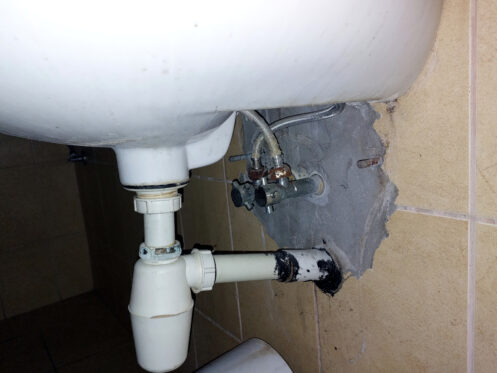
Toilets, showers, and under-sink pipes are among the first places to check. San Jose homes with older tile or vintage plumbing fixtures are more prone to bathroom leakage.
Kitchens
Dishwashers, refrigerator supply lines, and sink traps tend to wear out over time. Homes in Evergreen, Berryessa, and Santa Teresa often see leaks in these zones due to older cabinetry and moisture buildup.
Water Heaters
San Jose’s high-mineral-content water supply can slowly corrode water heater tanks. This leads to slow leaks that often pool unnoticed in garages or closets.
Irrigation Systems
Outdoor sprinkler systems are common in South San Jose and Willow Glen. Leaks in buried irrigation lines can waste massive amounts of water if not caught early.
Leak Detection Tips Every San Jose Homeowner Should Know
Watch Your Water Bill
A sudden increase in water usage without lifestyle changes is a major red flag. Even a small hidden leak can waste hundreds of gallons per month. If your bill jumps unexpectedly, it’s time to investigate.
Use the Water Meter Test
The water meter is one of your strongest leak-detection tools.
Try this:
- Turn off all water fixtures.
- Check the water meter.
- If it continues to move, water is flowing somewhere.
Many San Jose homeowners use this test during drought seasons to ensure no water is being wasted.
Look for Moisture or Discoloration
Pay close attention to:
- Bubbling paint
- Stains on the ceiling
- Warped baseboards
- Warm spots on walls or floors
These often indicate a hidden pipe leak. Homes with older drywall or attic plumbing, especially in neighborhoods built before the 1990s—are more susceptible.
Follow Your Nose
A musty smell is an early warning sign of moisture trapped behind walls or beneath flooring. Mold can begin growing within 48 hours of a leak. San Jose’s mild climate makes mold growth easier if moisture isn’t dealt with quickly.
Listen for Unusual Sounds
Hissing, dripping, or rushing water noises behind walls usually indicate active leaks. Late at night, when your home is quieter, these sounds can be easier to identify.
Check Outdoor Areas
Homeowners often overlook leaks outside the home. Soft soil patches, moss growth, or unexplained puddling can indicate leaking irrigation pipes or exterior water lines.
Inspect Appliances Regularly
Washing machines, refrigerators, and water heaters should be checked for:
- Loose hoses
- Rust
- Slow drips
- Damp floors or stands
With many Bay Area homes built with tight laundry spaces, even small leaks can cause sudden floor damage.
Conclusion
Protecting your home from leaks starts with awareness, routine checks, and taking immediate action when something feels off. Leaks don’t just waste water. They damage walls, flooring, foundations, and indoor air quality. By using the tips in this guide, you can catch many problems early and avoid major repair expenses.
And when leaks require expert tools or fast intervention, Ribbs Plumbing Services is here to help. Our team serves San Jose families with honest, reliable, and precision-based leak detection solutions.
Stop the Leak Before It Starts
Don’t let a hidden leak ruin your home. Call Ribbs Plumbing Services today for fast, accurate leak detection in San Jose—and get peace of mind before the damage begins.
Frequently Asked Questions
1. What are common signs of a hidden leak in a home?
Common signs include water stains, bubbling paint, and musty odors. A sudden increase in your water bill may also indicate a leak. Soft spots on walls or floors can reveal moisture buildup. These symptoms should always be taken seriously to prevent further damage.
2. How can San Jose homeowners use the water meter to detect leaks?
Homeowners can turn off all water fixtures and check if the meter continues to move. Movement indicates water is flowing somewhere in the system. This method helps identify hidden leaks. It is especially useful in homes with older plumbing systems.
3. What causes frequent plumbing leaks in San Jose homes?
San Jose’s aging infrastructure and seismic activity contribute to pipe stress. Hard water can also corrode plumbing materials over time. Outdoor irrigation systems often develop leaks due to soil shifting. Seasonal temperature changes add additional strain on pipes.
4. How do slab leaks form?
Slab leaks occur when underground pipes crack or deteriorate. Constant ground movement or chemical reactions with soil can accelerate the process. High water pressure can worsen small cracks. These leaks require immediate professional attention.
5. Can irrigation leaks affect water bills significantly?
Yes, irrigation leaks can waste hundreds of gallons per day. Many homeowners don’t notice because the leaks are underground. Higher water bills are often the first clue. Regular yard inspections help catch these issues early.
6. What indoor areas are most vulnerable to leaks?
Bathrooms, kitchens, and laundry rooms face high humidity and frequent water use. Appliances with water connections can develop leaks from worn hoses. Water heaters often leak due to corrosion. These areas should be checked regularly.
7. Are musty smells a sign of a leak?
Musty odors often indicate hidden moisture or early mold growth. This can occur behind walls, under flooring, or inside cabinets. Even small leaks can create enough humidity for mold to thrive. Prompt investigation helps protect indoor air quality.
8. How can homeowners prevent plumbing leaks?
Regular inspections and timely repairs are key to prevention. Replacing old hoses and fixtures reduces the risk of sudden leaks. Monitoring water pressure protects pipes from stress. Routine maintenance extends the life of plumbing systems.
9. Do small leaks always need immediate repair?
Small leaks can quickly worsen if ignored. Even slow drips can cause mold growth and structural damage. Repairing leaks early is more cost-effective than fixing long-term damage. Early attention prevents larger problems.
10. Why do water bills increase when leaks occur?
Leaks cause continuous water flow, even when fixtures are not in use. This leads to higher consumption, which reflects on the bill. Underground or hidden leaks often go unnoticed for weeks. Monitoring bills helps detect leaks early.
