Pipes don’t exactly come with expiration date stickers, yet many local homes are relying on plumbing systems installed decades ago. San Jose’s aging plumbing infrastructure is quietly becoming one of the biggest challenges homeowners face, and most people don’t realize it until water is on the floor or pressure drops to a trickle.
This isn’t meant to scare you. It’s meant to prepare you. When you understand what’s happening underground and inside your walls, you can make smarter decisions, avoid surprise disasters, and protect your investment.
What Aging Pipes Actually Mean for Your Home
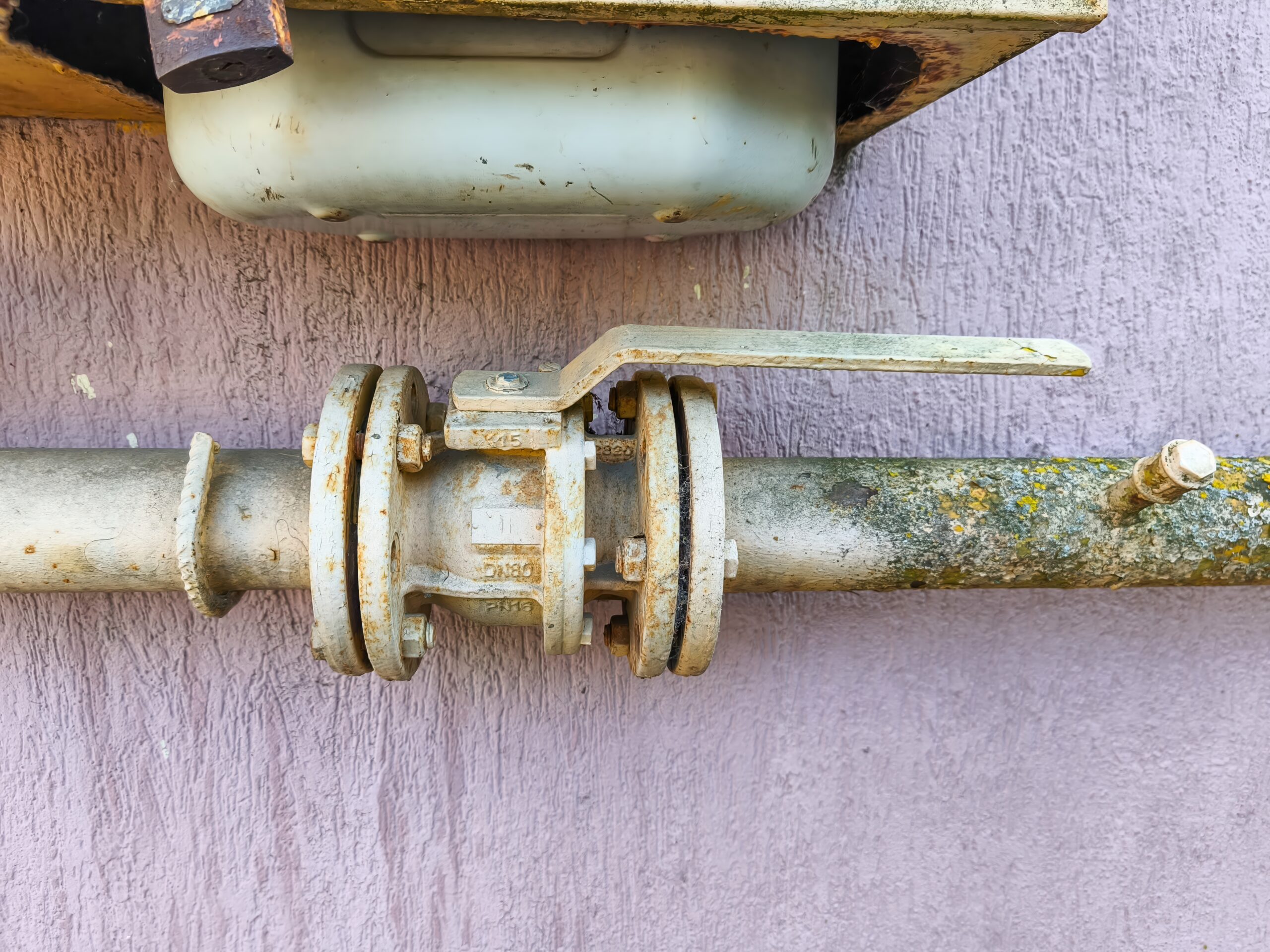
Pipes that were designed to last 40 to 60 years are now pushing 70 or more. That’s why plumbing issues seem to be popping up everywhere at once.
Corrosion Happens from the Inside Out
Older pipes corrode internally long before you see visible leaks. Minerals in water slowly eat away at pipe walls, reducing diameter and weakening structure.
Water Pressure Takes a Hit
As corrosion builds, water flow becomes restricted. That’s why showers lose pressure or faucets take longer to fill a pot.
Leaks Become More Likely
Weak pipe walls eventually crack or burst. These leaks often occur inside walls or under slabs, making them harder and more expensive to detect.
Common Pipe Materials Found in Older San Jose Homes
Knowing what type of plumbing you have gives you a huge advantage. Many homeowners don’t know until a problem occurs.
- Galvanized steel: Prone to corrosion and restricted flow
- Cast iron: Durable but susceptible to rust and cracking over time
- Copper: Longer lifespan, but can develop pinhole leaks
- Clay sewer lines: Common in older neighborhoods and vulnerable to root intrusion
Each material ages differently, which is why professional inspection matters.
Warning Signs You Shouldn’t Ignore
San Jose’s aging plumbing infrastructure often sends subtle signals before major failure. Ignoring them can lead to costly repairs.
Watch out for:
- Rust-colored or cloudy water
- Frequent drain clogs in multiple fixtures
- Low water pressure throughout the house
- Unexplained increases in water bills
- Damp spots, mold smells, or wall discoloration
If more than one of these shows up, your plumbing is trying to tell you something.
How Aging City Infrastructure Impacts Your Home
It’s not just your private plumbing. San Jose’s municipal water and sewer systems are also aging. Cracked public sewer lines, shifting soil, and outdated connections can create backups or pressure fluctuations that affect residential homes.
When city systems struggle, residential pipes often take the hit. That’s why even well-maintained homes can experience sudden plumbing issues.
Repair vs Replacement: What Makes Sense?
Choosing between a quick fix and a full system replacement is a balancing act. It requires weighing the immediate cost of repairs against the long-term reliability and energy savings of a new upgrade.
Spot Repairs Can Work Short-Term
Fixing individual leaks might buy time, especially if issues are isolated. This works best when pipes are relatively accessible and damage is limited.
Full Repiping Offers Long-Term Security
When problems become frequent, replacement is often more cost-effective long-term. New piping materials improve water pressure, efficiency, and peace of mind.
Ribbs Plumbing Services can walk you through these decisions honestly, without pressure or upselling.
Modern Plumbing Solutions Built for San Jose Homes
Technology has come a long way since your pipes were installed. Today’s solutions are designed to handle San Jose’s water quality, seismic activity, and soil conditions.
Modern upgrades include:
- PEX piping for flexibility and durability
- Trenchless sewer repair to avoid yard destruction
- Video camera inspections for accurate diagnostics
- Pressure regulation systems for consistent flow
These options weren’t available decades ago, but they make a massive difference today.
Why Proactive Inspections Save Money
Waiting for a pipe to burst is the most expensive strategy. Proactive inspections catch problems early, when repairs are smaller and less disruptive.
Homeowners who schedule periodic plumbing assessments often avoid:
- Emergency water damage
- Mold remediation costs
- Structural repairs
- Insurance claim headaches
Think of inspections as routine maintenance, not an unnecessary expense.
Conclusion
San Jose’s aging plumbing infrastructure is a reality many homeowners are facing, whether they realize it yet or not. Pipes age quietly, but the consequences can be loud, messy, and expensive. The smartest move isn’t waiting for a failure, but understanding your system and planning ahead.
With the right information and a reliable plumbing partner like Ribbs Plumbing Services, you can stay ahead of problems, protect your home, and avoid the stress that comes with unexpected plumbing emergencies.
Get Ahead of Plumbing Problems!
If your home is older or showing signs of plumbing trouble, now is the time to act. Schedule a professional plumbing inspection with Ribbs Plumbing Services today.
Frequently Asked Questions
1. What is meant by San Jose’s aging plumbing infrastructure?
It refers to older residential and municipal pipes nearing the end of their lifespan. Many systems were installed decades ago using outdated materials. These pipes are more prone to leaks and corrosion. Aging infrastructure increases the risk of plumbing failures.
2. How old are most plumbing systems in San Jose homes?
Many homes built before the 1980s still have original plumbing. That puts some systems at 50 to 70 years old. Pipe lifespan depends on the material and maintenance. Older systems are more vulnerable to failure.
3. Are older pipes unsafe for drinking water?
Corroded pipes can affect water clarity and taste. In some cases, rust or sediment may enter the water supply. While not always dangerous, it’s not ideal. Testing and inspection help determine risk.
4. What plumbing material lasts the longest?
Copper and modern PEX piping typically last longer than galvanized steel. Proper installation and water conditions matter. No pipe lasts forever. Lifespan varies by usage and environment.
5. How do I know if my sewer line is old?
Frequent backups, slow drains, and sewage smells are common indicators. Older sewer lines may be made of clay or cast iron. Camera inspections confirm material and condition. This is the most accurate method.
6. Can tree roots damage older plumbing?
Yes, especially with clay or cracked sewer lines. Roots seek moisture and enter through small openings. Over time, this causes blockages and pipe collapse. Older lines are more susceptible.
7. Is repiping disruptive to daily life?
Modern repiping methods are less invasive than in the past. Many projects are completed within days. Water shutoffs are planned and communicated. Professional teams minimize disruption.
8. Does homeowners’ insurance cover aging pipes?
Insurance typically covers sudden damage, not gradual deterioration. Aging pipes are considered maintenance issues. Coverage varies by policy. Reviewing your plan is recommended.
9. Can aging pipes affect home value?
Yes, outdated plumbing can impact inspections and resale value. Buyers often request repairs or credits. Updated plumbing is a selling advantage. Transparency matters during transactions.
10. When should homeowners take action?
If your home is over 40 years old, an inspection is wise. Early action prevents emergencies. Ignoring signs leads to higher costs. Proactive planning protects your home long-term.
