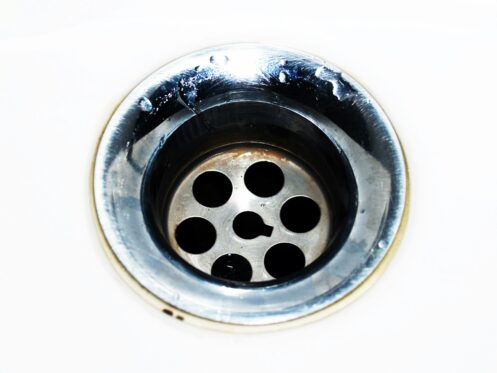
Slow drains are annoying! You’re brushing your teeth, washing dishes, or taking a shower, and suddenly the water starts pooling like it’s preparing for a swim meet. Most people just hope it magically fixes itself, but here’s the truth: a slow drain is your plumbing system waving a big red flag.
And if there’s anything your home shouldn’t be ignoring, it’s a red flag from your pipes.
Whether you’re in a busy neighborhood, a cozy subdivision, or one of our well-known local communities, a slow drain means something is building up, clogging up, or breaking down behind the scenes. And guess what? Problems behind the scenes rarely stay behind the scenes.
In this guide, we’re going to talk about why slow drains happen, what they lead to, and why calling Ribbs Plumbing Services early can save you time, stress, and a whole lot of cleaning.
What’s Really Going On When a Drain Gets Slow?
When your drain takes its sweet time, it’s usually telling you there’s buildup somewhere in the line. Soap scum, grease, oil, dirt, hair, and bits of food. Yeah, all the glamorous stuff collects over time and starts reducing the water flow. You don’t see the blockage forming, but you definitely feel the effects.
Over time, this buildup hardens and becomes a stubborn obstruction. Like cholesterol in your pipes, ignore it long enough, and you’re headed for a plumbing heart attack!
The Hidden Dangers of Ignoring a Slow Drain
Slow drains might seem harmless, but they’re often the first sign of a bigger plumbing problem. Most homeowners don’t realize how fast a minor issue can turn into a full-blown emergency.
Here’s what ignoring it can lead to:
- Full Pipe Blockages
- Backflow Problems
- Pipe Damage or Cracks
- Sewage Odors Seeping Back Into the House
- Higher Repair Costs Down the Road
No one wants to wake up to water backing up into the sink or tub. Fixing the issue early is cheaper, cleaner, and saves your day from turning into a plumbing nightmare.
Why You Shouldn’t Wait Until the Drain Fully Clogs!
If you wait until your drain completely stops, you’re basically asking for trouble. Emergency plumbing visits cost more, cause more disruption, and often require more aggressive repairs.
When you handle a slow drain early, you’re preventing:
- Emergency service calls
- Flooding or water damage
- Pipe pressure buildup
- Replacing damaged plumbing components
Your home works hard for you. Treat your drains kindly, and they’ll return the favor.
How Ribbs Plumbing Services Solves Slow Drain Problems Fast
When you call Ribbs Plumbing Services, you’re not just getting someone with a wrench. You’re getting highly trained pros who know how to identify the real cause of the problem. Not just fix the symptom.
Here’s how the experts handle slow drains:
Professional Drain Inspection
We don’t guess. We investigate using both experience and technology.
Drain Cleaning & Clearing
From advanced snaking to hydro-jetting, we clear your pipes thoroughly, not temporarily.
Preventative Maintenance Recommendations
You’ll get real advice tailored to your home—not a one-size-fits-all script.
Transparent Pricing & Fast Service
No hidden fees. No surprise charges. Just honest, reliable work.
When it comes to your home’s plumbing, trust the team that treats it as carefully as if it were their own.
Conclusion
A slow drain might seem harmless, but it’s really your plumbing system whispering, “Please fix me before things get messy.” Addressing the problem early protects your pipes, your home, and your peace of mind. From simple buildup to hidden blockages, slow drains need attention—and the sooner, the better.
When you’re ready for fast, friendly, and expert service, Ribbs Plumbing Services is here to help. Your drains, and your future self, will thank you.
Ready to Fix That Slow Drain Before It Gets Worse?
If your drain has been slow for more than a day or two, don’t wait for it to turn into a bigger, messier, more costly issue. The earlier you act, the easier, and cheaper, the fix will be. Call Ribbs Plumbing Services today!
Frequently Asked Questions
1. Why you shouldn’t ignore a slow drain?
A slow drain is usually the first sign of buildup forming inside your pipes. When ignored, the blockage grows and can lead to complete clogging or backflow issues. Fixing it early prevents expensive repairs and plumbing emergencies. Paying attention to this small issue keeps your system running smoothly.
2. What causes a slow drain in the first place?
Most slow drains happen because of accumulated debris like hair, grease, soap scum, and dirt. Over time, these materials stick to the pipe walls and narrow the flow. Even small daily habits can contribute to this buildup. Addressing the cause early helps stop bigger plumbing issues.
3. Can a slow drain mean a bigger plumbing problem?
Yes, a slow drain can indicate deeper issues such as pipe blockage, tree root intrusion, or sewer line damage. The slowdown is often just a symptom of something happening deeper inside the system. Ignoring it may lead to heavy repairs later. Checking it early prevents major complications.
4. How do you know when a slow drain needs professional help?
If your drain has been slow for more than a few days, it’s time to get it checked. Recurring slow drainage or gurgling sounds often signal that the issue is worsening. DIY methods may offer temporary relief but won’t solve deeper clogs. Professional inspection ensures the real problem is found.
5. Are chemical drain cleaners safe for slow drains?
Chemical cleaners may work temporarily but can damage pipes over time. The harsh ingredients eat away at the pipe lining and create long-term plumbing problems. They also fail to remove the actual source of the blockage. It’s safer to choose non-corrosive solutions or professional cleaning.
6. How can you prevent a slow drain from returning?
Simple habits like using drain screens and avoiding grease disposal can help keep drains clear. Regular cleaning routines also prevent buildup from forming again. Monitoring what goes down your sink or shower can make a huge difference. Consistent maintenance stops future clogs.
7. Is a slow drain a sign of sewer line trouble?
In some cases, yes. Slow drainage across multiple fixtures can indicate problems in the sewer line. This might be caused by tree roots, pipe damage, or deep blockages. Early inspection can rule out major issues before they worsen.
8. Can a slow drain cause odors in the home?
Yes, slow drains trap water and debris, creating the perfect environment for foul smells. Bacteria grow in these blocked areas and send odors back through the drain. If you notice persistent smells, the drain likely needs cleaning. Clearing the blockage removes both the odor and the cause.
9. How long should it take for a drain to empty normally?
A normal drain should allow water to pass through smoothly without pooling. If water lingers for more than a few seconds, it may already be slowing down. This early sign is easy to overlook but indicates buildup. Monitoring daily drain performance helps catch problems early.
10. Should you try DIY fixes for a slow drain?
DIY fixes can help with minor clogs, but often only offer temporary improvement. They won’t reach deeper obstructions in the line. If the problem keeps coming back, a deeper issue is present. Professional cleaning ensures the entire pipe is cleared and functioning properly.
